

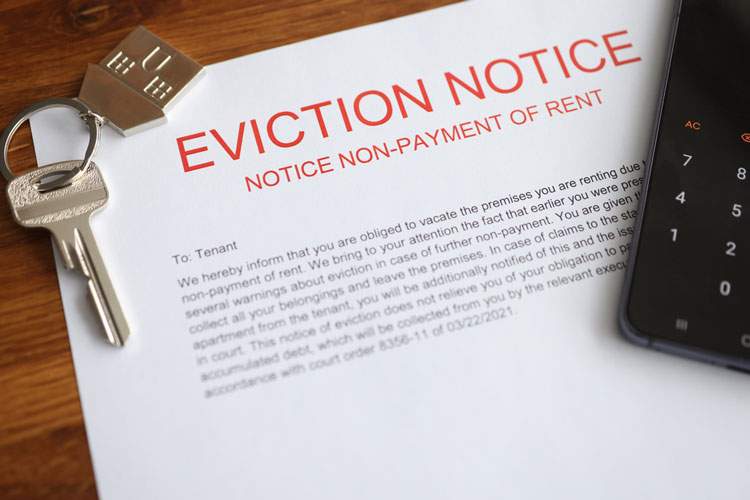
Prevent Evictions

Proactive Measures for Landlords to Prevent Evictions

As a landlord, your property is not just a financial asset but also a significant investment of time, effort, and resources. While renting out your property can provide a steady income stream, the prospect of eviction can pose significant challenges and disrupt your rental business. Fortunately, there are proactive measures you can take to protect your property and minimize the risk of evictions. In this blog post, we’ll explore some key strategies for landlords to prevent evictions and maintain positive landlord-tenant relationships. Thorough Tenant Screening: One of the most effective ways to prevent evictions is by conducting thorough tenant screening before signing a lease agreement. Screen prospective tenants carefully by verifying employment, income, rental history, and conducting background and credit checks. Look for red flags such as a history of late payments, eviction records, or criminal offenses. By selecting responsible and reliable tenants from the outset, you can reduce the likelihood of future eviction proceedings. Clear and Comprehensive Lease Agreements: A well-drafted lease agreement is essential for outlining the rights and responsibilities of both landlords and tenants. Ensure that your lease agreement clearly defines expectations regarding rent payment, maintenance responsibilities, property rules, and procedures for addressing disputes or breaches of the lease. Include clauses that address common issues such as late payments, property damage, and unauthorized subletting. By setting clear expectations from the beginning, you can minimize misunderstandings and conflicts that could lead to eviction. Effective Communication: Open and effective communication is key to maintaining a positive relationship with your tenants and addressing issues before they escalate. Establish regular communication channels with your tenants and encourage them to reach out to you promptly if they encounter any problems or concerns. Be responsive to their inquiries and requests, and address maintenance issues in a timely manner. By fostering a respectful and communicative environment, you can build trust with your tenants and prevent misunderstandings that could lead to eviction proceedings. Proactive Maintenance and Repairs: A well-maintained property not only attracts quality tenants but also reduces the likelihood of disputes and evictions. Conduct regular inspections of your property to identify any maintenance issues or safety hazards. Address any repairs promptly to ensure that your property remains in good condition and meets health and safety standards. Proactive maintenance not only preserves the value of your investment but also demonstrates your commitment to providing a safe and habitable living environment for your tenants. Flexibility and Compassion: In some cases, tenants may experience financial difficulties or unforeseen circumstances that make it challenging for them to meet their rent obligations. As a landlord, it’s important to approach these situations with empathy and flexibility. Consider offering payment plans or temporary rent reductions to help struggling tenants get back on track. Additionally, explore alternative solutions such as mediation or rental assistance programs to resolve disputes amicably and avoid eviction as a last resort. Eviction Law Firm Preventing evictions requires proactive measures and a proactive approach from landlords. By implementing thorough tenant screening, clear lease agreements, effective communication, proactive maintenance, and a compassionate approach to problem-solving, landlords can protect their investment and maintain positive relationships with their tenants. Ultimately, fostering a collaborative and respectful environment benefits both parties and contributes to a successful and sustainable rental business. Call the Eviction Law Firm at 877-573-8428

Frequently Asked Questions

What should landlords check during tenant screening to help prevent evictions?

Landlords can verify a prospective tenant’s employment, income, rental history, and conduct background and credit checks. Reviewing late-payment patterns and eviction records may help identify potential risks before signing a lease.

What should a lease agreement include to reduce the risk of eviction?

A clear lease should explain rent-payment expectations, maintenance responsibilities, property rules, and procedures for handling disputes or lease breaches. It can also address late payments, property damage, and unauthorized subletting.

How can communication with tenants help prevent evictions?

Landlords can establish regular communication channels, encourage tenants to report concerns promptly, respond to inquiries, and address maintenance requests in a timely manner. This can help resolve problems before they escalate.

What can landlords do when tenants are struggling to pay rent?

Landlords may approach the situation with empathy and consider options such as payment plans, temporary rent reductions, mediation, or rental assistance programs. These alternatives may help resolve the issue without eviction.

Call Now Button