

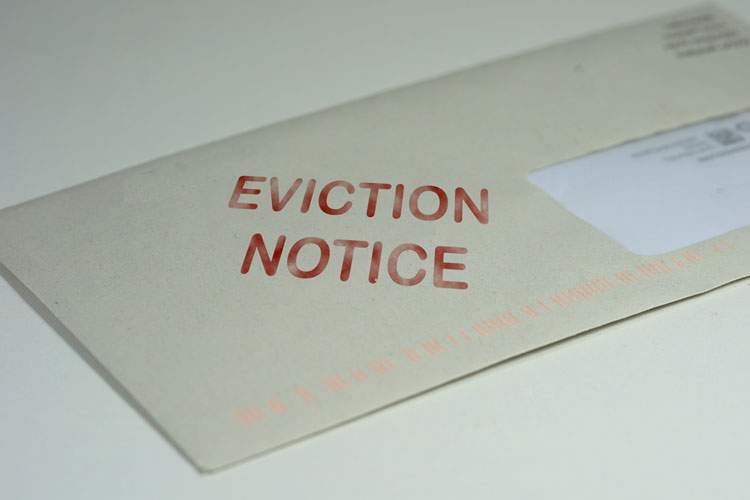
A Guide to Understanding Eviction Laws and Best Practices
Frequently Asked Questions
Why do eviction laws vary by jurisdiction?
Eviction laws differ depending on the jurisdiction, including the required notice period, notice format, and procedures landlords must follow. Landlords should review the regulations governing the rental property.
What are common legal grounds for eviction?
Common grounds include non-payment of rent, lease violations, property damage, and illegal activities. Landlords must have valid legal grounds and cannot terminate a tenancy arbitrarily or discriminate based on protected characteristics.
What steps generally occur in the eviction process?
The process typically begins with written notice explaining the reason for eviction and possible steps to remedy the issue. If the problem is not resolved after the notice period, the landlord may file an eviction lawsuit, and the tenant has an opportunity to respond. If the court rules for the landlord, it may issue a writ of possession.
How can landlords help prevent eviction-related disputes?
Landlords can use clear written lease agreements, communicate openly, address maintenance requests promptly, screen tenants thoroughly, and resolve concerns before they escalate. These practices can reduce misunderstandings and potential disputes.