

Understanding Damages to Rental Property: A Guide for Landlords
- Structural Damage – Broken doors, cracked tiles, or holes in drywall.
- Appliance Damage – Misuse of ovens, refrigerators, or HVAC systems leading to costly replacements.
- Water Damage – Neglected leaks or improper use of plumbing causing mold or flooding.
- Flooring Issues – Pet stains, burns, or excessive scratching on hardwood and carpets.
- Exterior Neglect – Damage to landscaping, parking areas, or entryways, particularly in commercial spaces.
- Thorough Tenant Screening: Reviewing credit history, references, and rental background can help identify reliable tenants who are less likely to cause damage.
- Detailed Lease Agreements: Clearly outline tenant responsibilities, maintenance expectations, and consequences of property neglect.
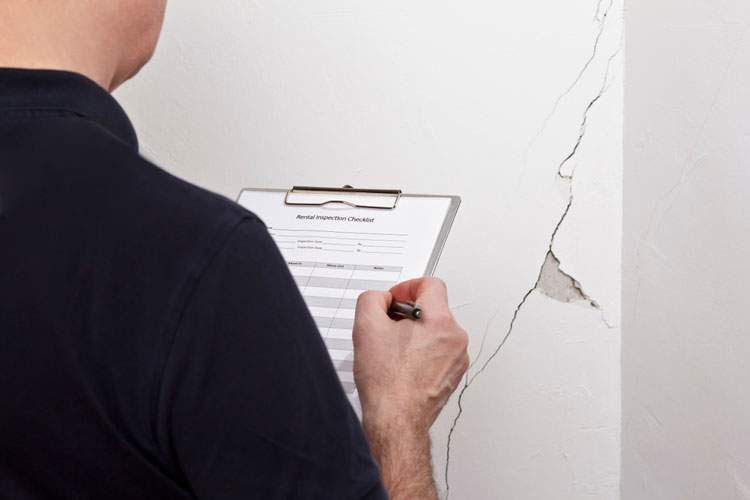
- Move-In and Move-Out Inspections: Document the condition of the property with photos and written notes before and after tenancy. This provides solid evidence should disputes arise.
- Regular Property Checks: Scheduling periodic inspections ensures early detection of potential damage, allowing for quicker repairs and less costly issues.
Frequently Asked Questions
What is the difference between normal wear and tear and rental property damage?
Normal wear and tear is the natural deterioration caused by everyday use, such as faded paint, minor carpet wear, or slightly loose door handles. Property damage results from tenant neglect, misuse, or intentional actions, including broken windows, large stains, holes in walls, or damaged appliances.
What are common types of tenant-caused rental property damage?
Common examples include broken doors, cracked tiles, and holes in drywall; appliances damaged through misuse; water damage caused by neglected leaks or improper plumbing use; pet stains, burns, or excessive floor scratching; and damage to landscaping, parking areas, or entryways.
How should landlords document damage to a rental property?
Landlords should conduct move-in and move-out inspections and record the property's condition with photographs and written notes. This documentation can provide evidence if a dispute arises.
How can landlords help prevent or limit rental property damage?
Landlords can use thorough tenant screening, detailed lease agreements that explain maintenance responsibilities and consequences of neglect, regular property checks, and timely repairs to help identify and limit damage.