

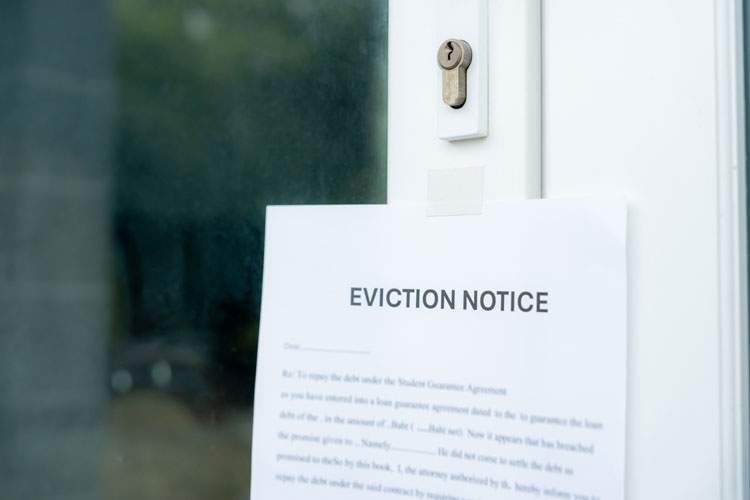
How an Expert Eviction Law Firm Can Protect Your Rights
Frequently Asked Questions
What happens after an eviction notice is served in Florida?
If the tenant does not comply with the notice, the landlord can file an eviction lawsuit, also called an unlawful detainer, in court. If the court rules for the landlord, it may issue a writ of possession allowing the sheriff to remove the tenant.
What is the difference between Florida’s eviction notices?
A Three-Day Notice to Pay Rent or Quit addresses unpaid rent. A Seven-Day Notice to Cure or Quit addresses a lease violation that may be corrected, while a Seven-Day Unconditional Quit Notice applies to serious violations that cannot be remedied, such as property damage or illegal activity.
How can tenants challenge or respond to an eviction?
Tenants can review the eviction notice and lease agreement for potential defenses or landlord violations. An eviction law firm may also help protect their rights, present defenses in court, and negotiate a settlement.
What mistakes can delay or weaken an eviction case?
Common mistakes include serving an incorrect or incomplete notice, missing statutory deadlines, failing to present sufficient evidence, and misunderstanding tenant rights and protections. These errors can lead to delays, dismissal of the case, or other legal complications.