

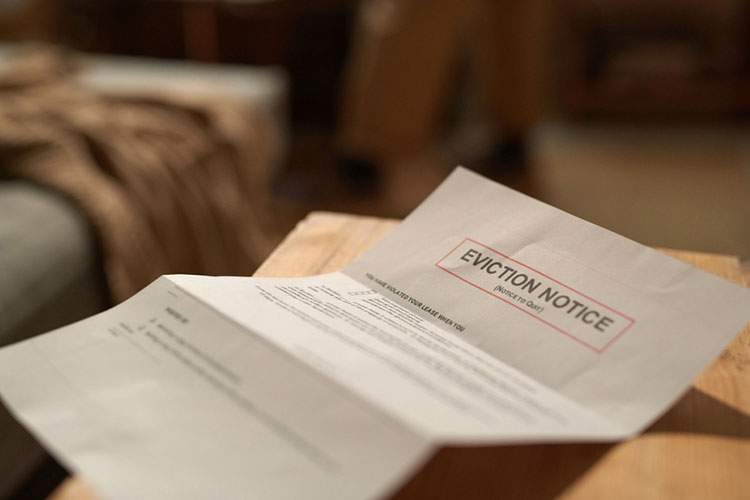
How to Evict a Tenant Without a Lease in Florida: Month-to-Month Rules Explained
When a tenant occupies a rental property without a written lease agreement, many landlords assume they can simply ask the tenant to leave. However, Florida law provides legal protections for both landlords and tenants, even when there is no signed lease. Understanding the proper process for a tenant without a lease in Florida is essential to avoid delays, legal disputes, and costly mistakes.
A tenant who remains in a property without a written lease is often considered a month-to-month tenant. While landlords generally have the right to terminate this arrangement, they must follow Florida’s notice requirements and eviction procedures before regaining possession of the property. Failure to follow the law can result in dismissed cases, lost time, and additional expenses.
What Is a Tenant Without a Lease in Florida?
A tenant without a lease in Florida is typically someone who occupies a rental property under a verbal agreement or whose written lease has expired but who continues paying rent and living in the property.
Under Florida law, accepting rent after a lease expires often creates a month-to-month tenancy. This means the landlord and tenant continue their relationship under similar terms, but either party may terminate the arrangement by providing the required notice.
For landlords dealing with occupancy issues, understanding the distinction between a lease violation eviction and a month-to-month termination is critical.
Can You Evict a Tenant Without a Lease in Florida?
Yes. Florida landlords can legally remove a tenant without a lease, but they cannot simply change the locks, shut off utilities, or remove the tenant’s belongings.
Florida law requires landlords to follow the formal eviction process through the court system. Self-help evictions are prohibited and can expose landlords to significant liability.
Before taking action, landlords should determine whether the situation involves:
- Termination of a month-to-month tenancy
- Nonpayment of rent
- Violation of rental terms or property rules
- Holding over after proper notice has been given
Each situation may require a different notice and legal procedure.
Month-to-Month Tenant Notice Requirements in Florida
When dealing with a month-to-month tenant, landlords generally do not need to prove wrongdoing. Instead, they may terminate the tenancy by providing proper written notice.
Florida law requires a written notice to terminate a month-to-month tenancy before filing an eviction action if the tenant fails to leave after the notice period expires.
The notice should clearly state:
- The property address
- The tenant’s name
- The date the tenancy will terminate
- A demand that the tenant vacate by the stated deadline
Providing improper notice is one of the most common reasons eviction cases are delayed or dismissed.
What Happens If the Tenant Refuses to Leave?
If the notice period expires and the tenant remains in possession of the property, the landlord must proceed with a formal eviction lawsuit.
The process generally includes:
1. Filing an Eviction Complaint
The landlord files a complaint in the appropriate Florida county court requesting possession of the property.
2. Serving the Tenant
The tenant must be legally served with the court documents and given an opportunity to respond.
3. Court Review
If the tenant contests the case, a hearing may be scheduled. If the tenant fails to respond, the landlord may seek a default judgment.
4. Writ of Possession
Once the court grants possession, the sheriff may post a writ of possession and remove the tenant if they do not voluntarily vacate.
Common Mistakes Landlords Make
Many landlords unintentionally complicate the eviction process by taking actions that violate Florida law.
Attempting a Self-Help Eviction
Changing locks, disconnecting utilities, or removing property without a court order can create significant legal exposure. Florida specifically prohibits these actions.
Using the Wrong Notice
Different situations require different notices. A month-to-month termination notice differs from notices used for unpaid rent or lease violations.
Accepting Rent After Termination
Accepting rent after providing a termination notice may create legal complications and potentially restart the tenancy.
Improper Documentation
Failing to document notices, communications, and rent records can weaken an eviction case.
When Nonpayment of Rent Is Involved
If a tenant without a lease stops paying rent, the landlord may pursue eviction for nonpayment rather than simply terminating the month-to-month tenancy.
Florida law generally requires a three-day notice demanding payment or possession before filing an eviction action for unpaid rent. Weekends and legal holidays are excluded when calculating the notice period.
Landlords should ensure the notice complies with Florida law and accurately reflects the amount owed.
How Long Does the Eviction Process Take?
The timeline varies depending on whether the tenant contests the case, court scheduling, and the accuracy of the landlord’s filings.
A straightforward uncontested eviction may move relatively quickly, while contested cases can take significantly longer. Errors in notices, filings, or service can further extend the process.
Working with experienced eviction counsel can help minimize delays and improve the likelihood of a successful outcome.
Why Legal Guidance Matters
Even when there is no written lease, Florida eviction laws remain highly procedural. Landlords must comply with notice requirements, filing deadlines, service rules, and court procedures.
An experienced eviction attorney can help ensure notices are properly drafted, court documents are accurately prepared, and legal requirements are satisfied from beginning to end.
Trust Eviction Law Firm for Florida Evictions
At Eviction Law Firm, we help landlords throughout Florida navigate the eviction process efficiently and legally. Whether you need to remove a month-to-month tenant, address nonpayment of rent, or regain possession of your rental property, our team understands the complexities of Florida landlord-tenant law.
We assist with notices, court filings, eviction actions, and possession proceedings while helping property owners avoid costly mistakes that can delay recovery of their property. If you are dealing with a tenant without a lease in Florida, contact Eviction Law Firm today for experienced legal guidance and effective representation.
For additional landlord resources, visit our homepage, learn more about residential evictions, review information about non-payment of rent evictions, or explore our latest Florida eviction blog articles.
Frequently Asked Questions
Can a Florida landlord remove a month-to-month tenant without giving a reason?
Yes. In many month-to-month tenancy situations, a landlord may terminate the rental arrangement without alleging tenant misconduct, provided the required written notice is properly served and all legal procedures are followed.
Is a verbal rental agreement enforceable in Florida?
Yes. Verbal rental agreements can create legally recognized landlord-tenant relationships. When rent is accepted regularly, the tenancy often operates on a month-to-month basis.
Can a landlord change the locks if there is no lease?
No. Florida law generally prohibits lockouts and other self-help eviction methods. A court order is required before a tenant can be legally removed from the property.
What happens if a tenant stays after receiving proper notice?
If the tenant remains after the notice period expires, the landlord must file an eviction lawsuit and obtain a court judgment before possession can be restored.