

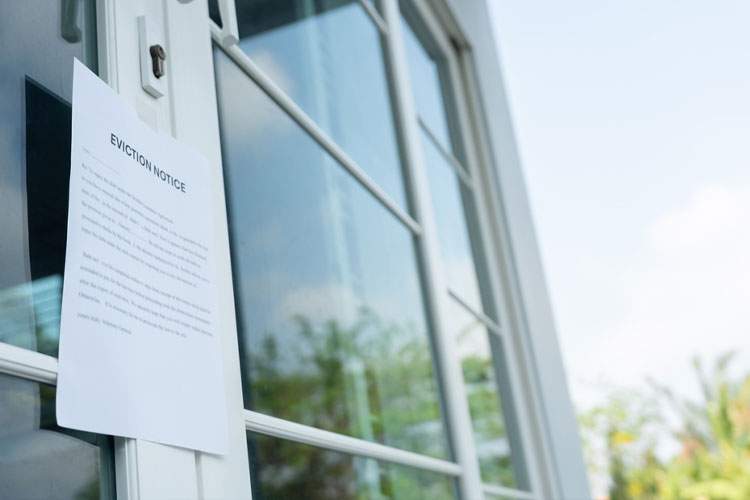
How Florida Landlords Can Navigate Tenant Bankruptcies During the Eviction Process
Eviction is already a complex legal process for Florida landlords—but when a tenant files for bankruptcy, everything becomes significantly more complicated. Bankruptcy triggers protections for the tenant and restrictions for the landlord, often leading to delays, additional paperwork, and specific procedural rules that must be followed to avoid legal penalties.
Understanding how bankruptcy intersects with Florida eviction law is essential for landlords who want to preserve their rights and minimize financial loss. This guide explains what happens when a tenant files for bankruptcy, what steps Florida landlords can still take, and how to navigate the process lawfully and effectively.
Understanding the Automatic Stay
One of the most important effects of a tenant bankruptcy is the automatic stay. The moment a bankruptcy petition is filed, the automatic stay halts most collection activities—including eviction actions. This means a landlord cannot continue, file, or finalize an eviction lawsuit until the stay is lifted or an exception applies.
The automatic stay aims to protect the debtor from collection pressure while the bankruptcy court evaluates their financial situation. For landlords, this creates significant delays and can lead to lost rental income if not handled properly.
However, not all eviction cases are frozen. Florida landlords should understand the key exceptions.
Exceptions That Allow Eviction to Continue
1. Evictions Already Finalized Before Bankruptcy
If a landlord received a final judgment of eviction before the tenant filed for bankruptcy, the automatic stay usually does not apply. In these cases, the tenant no longer has a legal interest in the property, and the landlord can generally proceed with removing the tenant.
2. Illegal Activity by the Tenant
If the eviction is based on tenant conduct involving illegal drugs, endangerment, or property damage, the landlord may petition the bankruptcy court to lift the stay and allow the eviction to proceed. The court often grants these motions quickly to prevent continued harm.
3. Post-Petition Rent Obligations
If the tenant remains in the property after filing for bankruptcy, they are responsible for paying post-petition rent. Failure to pay this rent can be a strong basis for lifting the stay and proceeding with eviction.
Filing a Motion for Relief From the Automatic Stay
If a Florida landlord believes they have grounds to continue the eviction, the next step is filing a Motion for Relief from the Automatic Stay. This formal request asks the bankruptcy court to allow the eviction to move forward. Common reasons the court may grant relief include:
- The tenant has not paid rent after filing bankruptcy
- The landlord is suffering financial harm
- The property is being used illegally
- The lease has expired or the tenant has violated lease terms
The bankruptcy judge will review the request and determine whether the stay should be removed. If granted, the landlord can resume the eviction in state court.
How Chapter 7 and Chapter 13 Affect Landlords Differently
Chapter 7 Bankruptcy
Chapter 7 focuses on liquidating the tenant’s assets. In most cases, unpaid rent owed before filing becomes part of the bankruptcy estate and is unlikely to be recovered. However, landlords may move quickly to gain possession of the property once the stay is lifted.
Chapter 13 Bankruptcy
Chapter 13 involves a repayment plan. Tenants may propose a plan that includes past-due rent, giving landlords a chance to recover some amounts owed. But landlords must still wait for the plan’s approval before taking certain actions.
Best Practices for Florida Landlords During Tenant Bankruptcy
1. Stop All Collection Activity Immediately
Never contact the tenant for payment after you receive notice of bankruptcy. Doing so can violate federal law.
2. Consult an Eviction Attorney Familiar With Bankruptcy
Bankruptcy courts have very specific procedures. A mistake can result in delays or sanctions.
3. Document Everything
Keep records of missed payments, lease violations, and communication. This documentation supports motions to lift the stay.
4. Respond Quickly to Court Notices
Bankruptcy timelines are strict. Delayed responses can extend a tenant’s occupancy for months.
5. Understand That Recovery of Past Rent Is Limited
Bankruptcy reorganizes debt, and most landlords will not recover past-due rent from a Chapter 7 filing.
When to Seek Legal Support
Landlords often misunderstand how bankruptcy affects eviction, but acting improperly can lead to legal penalties and financial loss. Working with an experienced Florida eviction attorney ensures compliance with state and federal rules, protects your rights, and accelerates the process where possible.
The Eviction Law Firm helps Florida landlords navigate these complex situations while minimizing delays and maximizing legal protection. Call 877-573-8428
FAQs
1. What happens if my tenant files for bankruptcy during an active eviction?
The automatic stay will pause the eviction unless it qualifies for an exception or you obtain relief from the stay.
2. Can I collect back rent if the tenant files Chapter 7?
In most cases, past-due rent becomes unsecured debt and is unlikely to be recovered.
3. How long does the automatic stay last?
It remains until the bankruptcy court lifts it, the case is dismissed, or the repayment plan is approved.
4. Can I evict for nonpayment after bankruptcy is filed?
Yes—if the tenant fails to pay post-petition rent, you may request relief from the stay.