

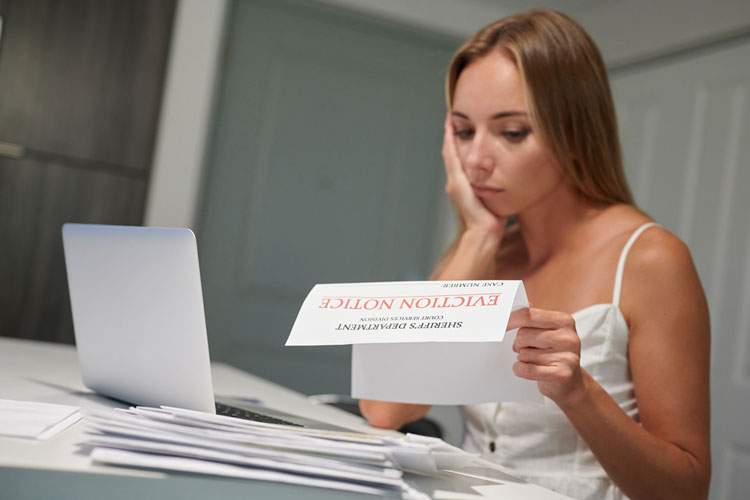
Why Florida Evictions Get Delayed: Timeline, Court Backlogs & How to Speed It Up
Understanding the Florida Eviction Timeline
Florida eviction timeline is one of the most searched topics among landlords dealing with non-paying tenants or lease violations. While Florida is known for having a relatively streamlined eviction process compared to other states, delays are still common and can quickly turn a short process into a prolonged legal challenge.
Typical Eviction Process in Florida
The standard eviction process generally follows a structured path:
- Serving the appropriate notice (3-day, 7-day, or 15-day notice depending on the situation)
- Filing a complaint with the court if the tenant does not comply
- Tenant response period (usually 5 business days)
- Court judgment and issuance of a writ of possession
- Sheriff posting and removal if necessary
In ideal circumstances, this process can take as little as 2–3 weeks. However, delays can easily extend the timeline to several months.
Common Reasons Florida Evictions Get Delayed
Even when landlords follow the correct procedures, several factors can slow down the Florida eviction timeline.
Court Backlogs and Administrative Delays
Florida courts, especially in high-density areas like South Florida, often experience heavy caseloads. This leads to:
- Delayed hearing dates
- Slower processing of filings
- Limited availability of judges and clerks
Backlogs became even more noticeable after pandemic-related disruptions, and some courts are still catching up.
Improper Notices or Filing Errors
One of the most common causes of delay is procedural mistakes. If a notice is missing required information or improperly served, the court may dismiss the case entirely.
Key issues that cause delays include:
- Incorrect notice type or timeframe
- Improper delivery of notices
- Errors in legal documentation
- Failure to include required lease details
These errors often force landlords to restart the eviction process from the beginning.
Tenant Responses and Legal Defenses
When tenants respond to an eviction complaint, the process can become significantly longer. Tenants may:
- File motions to contest the eviction
- Claim improper notice or unsafe living conditions
- Request hearings or trial dates
Once contested, the eviction shifts from a straightforward process to a more complex legal case.
External Factors That Impact Eviction Timelines
Local County Variations
Each Florida county operates slightly differently. Filing systems, court efficiency, and sheriff scheduling can all impact how quickly an eviction progresses.
Service of Process Delays
Serving court documents to tenants is a required legal step. If the tenant avoids service or cannot be located, delays are inevitable.
Writ of Possession Scheduling
After a judgment is issued, the sheriff must post a writ of possession. Scheduling conflicts or workload can delay this final step.
How to Speed Up the Florida Eviction Timeline
Although some delays are unavoidable, landlords can take proactive steps to keep the process moving efficiently.
Work with an Experienced Eviction Attorney
Hiring a professional ensures that every step is completed correctly the first time. This reduces the risk of dismissal and avoids restarting the process.
Ensure Accurate Documentation
Preparation is critical. Having complete and accurate documentation can prevent unnecessary setbacks.
Essential documents include:
- Signed lease agreement
- Payment records and ledger
- Copies of all notices served
- Communication records with the tenant
Act Quickly and Stay Consistent
Delays often occur when landlords wait too long to take action. Filing promptly and following through without gaps can significantly reduce total eviction time.
Use Proper Notice and Service Methods
Understanding Florida’s legal requirements for notice delivery is crucial. Certified methods and proper timing ensure compliance and avoid disputes.
Why Professional Guidance Matters
The Florida eviction timeline may seem straightforward, but even small errors can lead to costly delays. Landlords who attempt to handle evictions alone often face setbacks that could have been avoided with professional assistance.
An experienced eviction attorney understands court procedures, local regulations, and how to navigate obstacles efficiently. This expertise can mean the difference between a quick resolution and months of lost rental income.
Conclusion: Navigating Evictions Efficiently
Evictions in Florida can move quickly under the right conditions, but court backlogs, tenant defenses, and procedural mistakes often slow the process. Understanding the Florida eviction timeline and taking proactive steps can help landlords regain control of their property faster.
Work with Eviction Law Form for Faster Results
Eviction Law Form provides experienced legal support tailored to Florida landlords. Their team specializes in handling every stage of the eviction process with precision and efficiency.
With Eviction Law Form, you benefit from:
- Accurate and compliant legal filings
- Faster case processing with fewer delays
- Expert handling of contested evictions
- Clear guidance throughout the entire process
If you’re facing delays or want to avoid them altogether, Eviction Law Form delivers the expertise needed to streamline your eviction and protect your investment.
Frequently Asked Questions
How long does the Florida eviction timeline usually take?
In straightforward cases, evictions can take about 2–3 weeks, but delays such as tenant disputes or court backlogs can extend the process to several months.
What causes eviction delays in Florida the most?
The most common causes include court backlogs, improper notices, filing errors, and tenants contesting the eviction.
Can a tenant stop or delay an eviction in Florida?
Yes, tenants can delay the process by filing responses, raising legal defenses, or requesting hearings, which can extend the timeline significantly.
How can landlords speed up the eviction process in Florida?
Landlords can speed up the process by ensuring all paperwork is accurate, serving notices correctly, acting quickly, and working with an experienced eviction attorney.